The Anatomy of Sitting
An objective look at how prolonged desk posture influences structural balance, pelvic comfort, and systemic energy levels throughout the workday.
Pressure Distribution
The human body is designed for dynamic movement. When seated for hours, the weight of the upper body transfers entirely to the lower back and the pelvic region. This localized pressure can lead to subtle, cumulative discomfort that affects focus and stamina.
In our seminar, we explore how proper seating ergonomics—specifically chair height and surface firmness—can redistribute this weight, maintaining core stability and preventing regional fatigue.
Circulatory Dynamics
A stationary posture inherently slows down lower body circulation. Blood flow is the primary delivery system for oxygen and nutrients; when it is impeded by the sharp angles of a seated posture, the result is often a sensation of heaviness or lethargy.
We discuss the mechanics of venous return and why non-strenuous, intermittent leg movements are vital for keeping the system refreshed without needing to leave the office environment.
Core & Pelvic Comfort
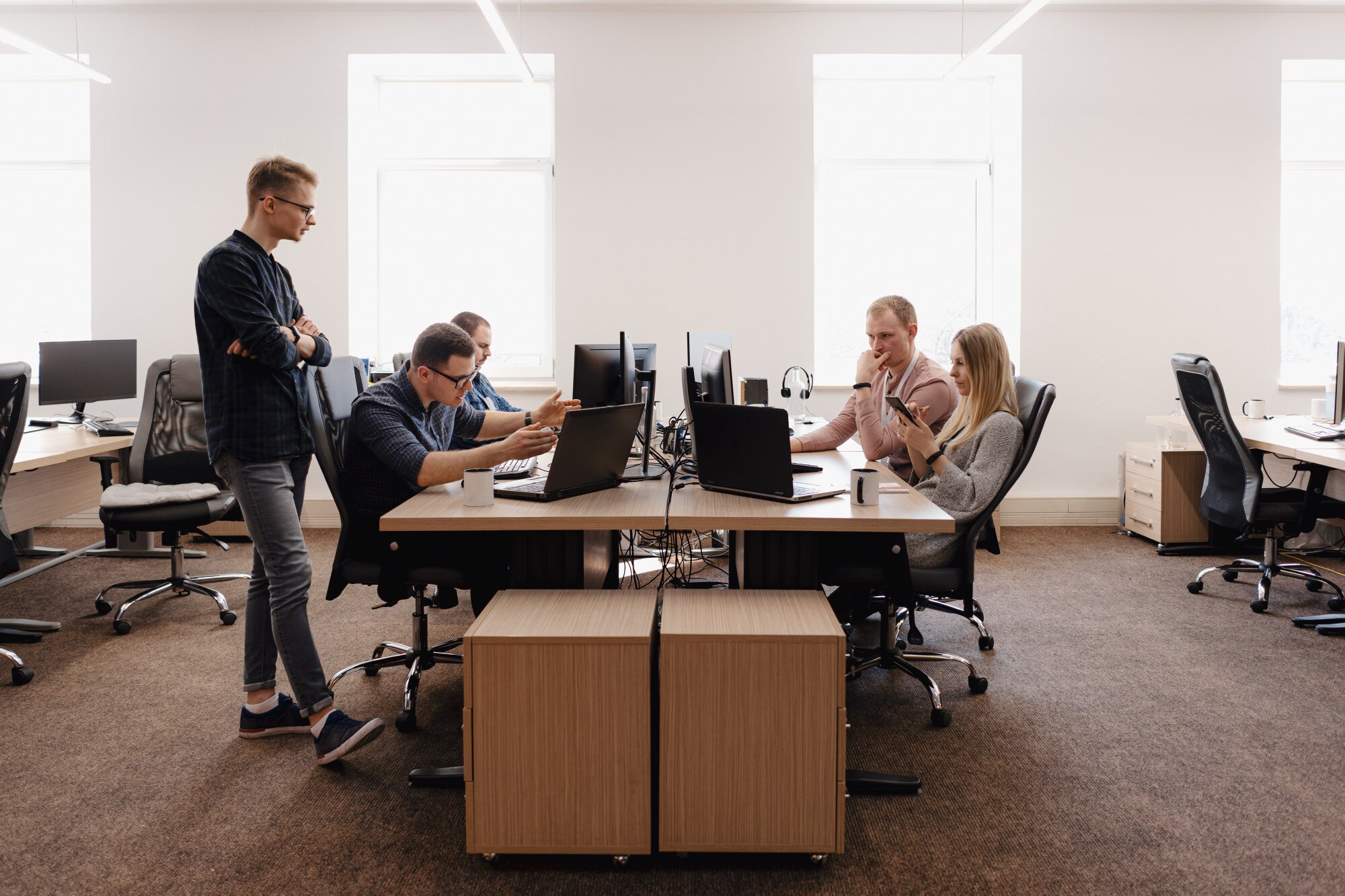
The core is not merely the abdominal muscles; it encompasses the entire foundational structure of the torso, including the pelvic floor. Prolonged sitting in a collapsed posture places undue stress on these areas. Maintaining an active, neutral spine is a critical habit for men's daily wellness and long-term vitality.
View ProtocolsKnowledge is the ultimate asset.
Our approach relies on biomechanical common sense rather than complex interventions. By understanding the mechanical reality of your workday, you can implement subtle shifts that yield profound comfort.
Join the SeminarDisclaimer: The information provided on this page and in the Dozayic seminar is for educational purposes only. It is not intended as a substitute for professional medical advice, diagnosis, or treatment regarding any specific condition.